Objectives of the Book:
-
Deepening students’ love for their family through the lessons.
-
Introducing body parts.
-
Introducing means of transportation.
-
Introducing elements in the student’s surrounding environment.
-
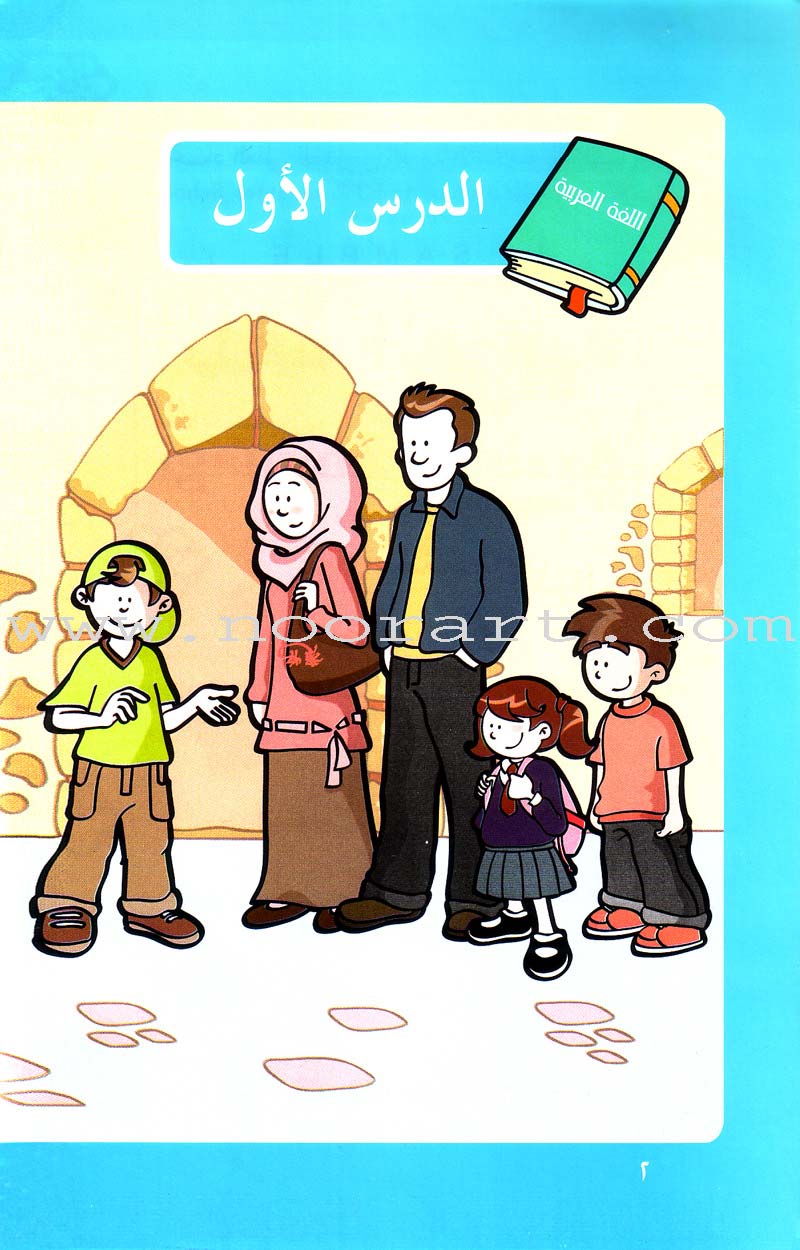
Introducing family members.
-
Introducing traffic lights.
Grammatical Structures:
-
Demonstrative pronouns.
-
Introducing question forms.
Linguistic Resources:
-
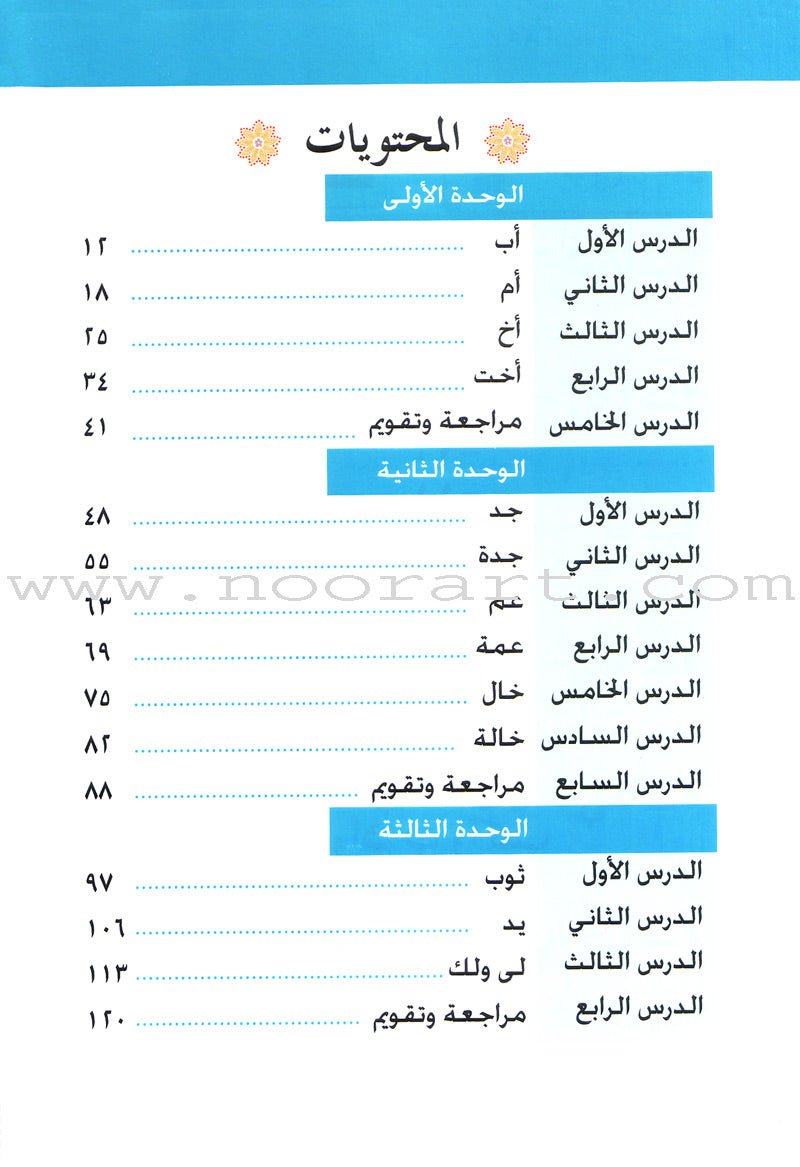
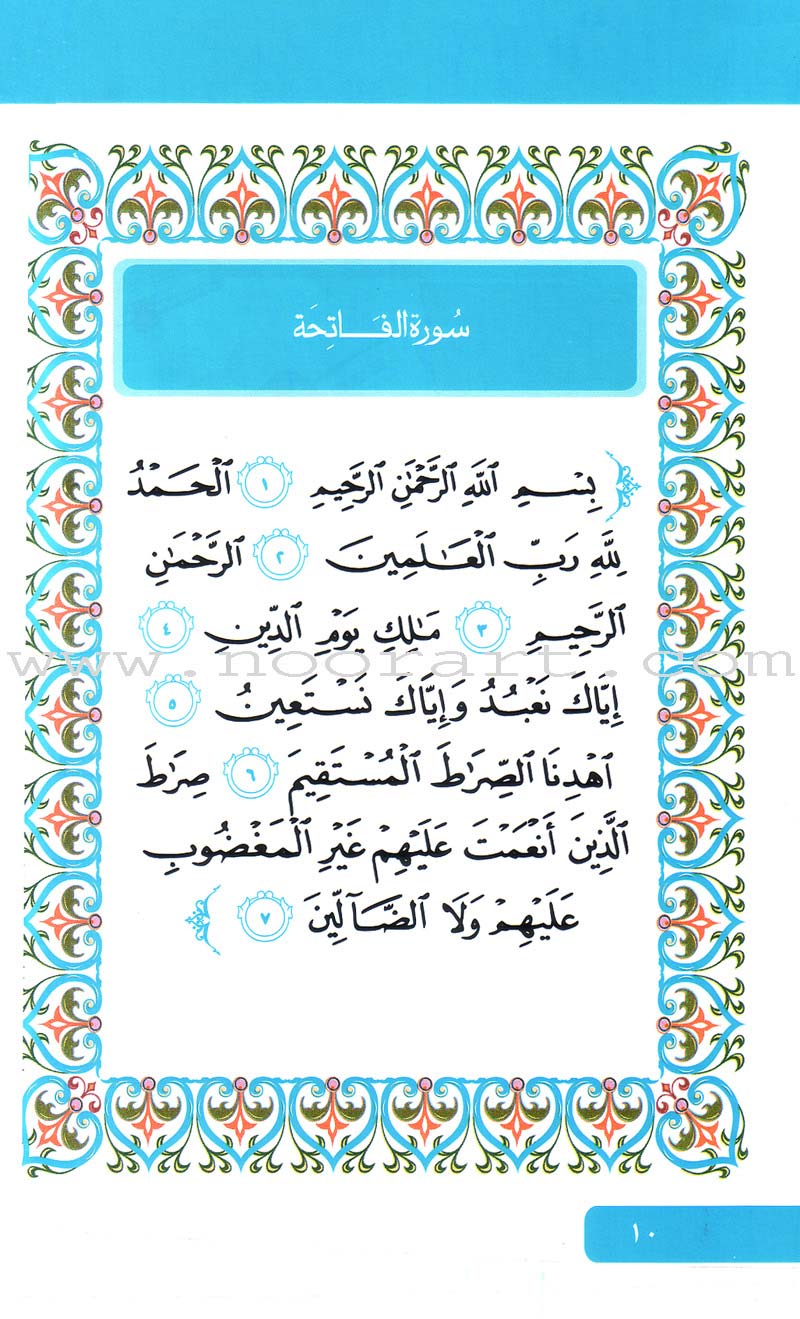
Students memorize Surah Al-Fatiha.
-
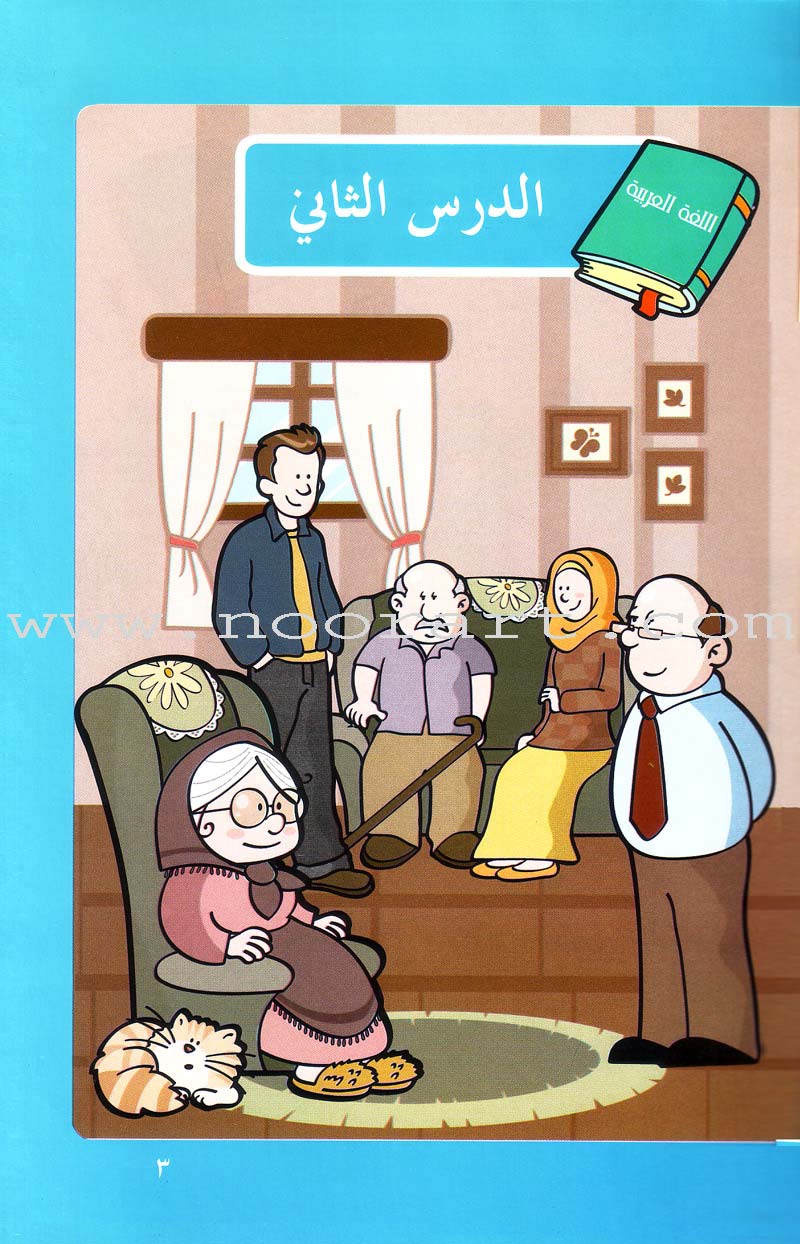
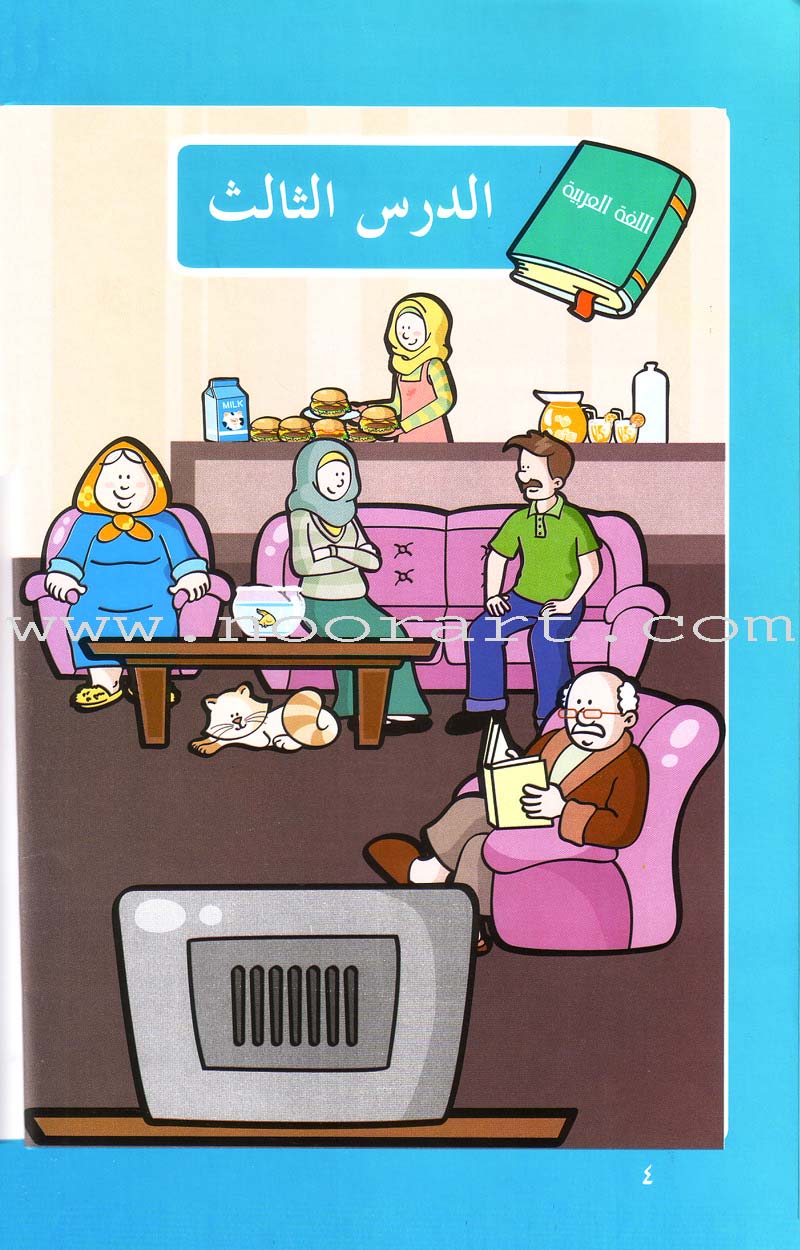
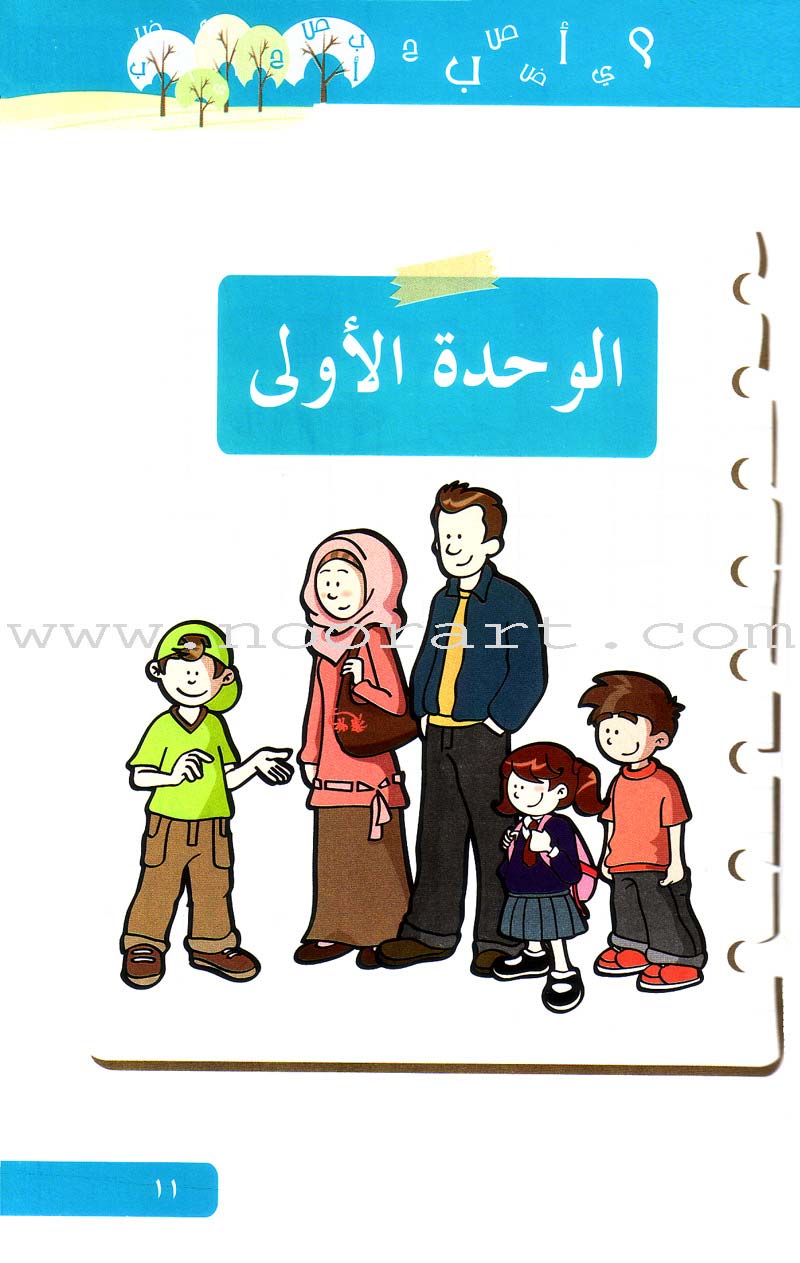
A group of lessons about the family.
-
Students memorize Surah Al-Ikhlas.
-
Lesson: My Allah.
-
Lesson: Dress.
-
Lesson: Hand.
-
Lesson: For Me and You.
This series seeks to teach children and enhance the linguistic skills of non-Arabic speakers. The following are some of its main objectives:
-
To endear the Arabic language to students and enable them to understand its meanings when listening.
-
To enable students to read Arabic aloud correctly and comprehend what they are reading.
-
To enrich students with strong linguistic resources so they can form correct Arabic sentences.
-
To familiarize students with the features of Arabic and Islamic culture.
-
To enable students to study other subjects in Arabic.
-
To help students recite the Holy Qur’an, understand its meanings, and perform Islamic rituals in Arabic.
This series relies on five main foundations:
-
Psychological foundations.
-
Linguistic foundations.
-
Cultural foundations.
-
Educational foundations.
-
Social foundations.
Students will develop linguistic skills in the following order:
-
Listening
-
Speaking
-
Reading
-
Writing
We would like to highlight the recommended teaching methods for these skills:
Listening and Speaking Skills
Teaching listening and speaking aims to:
-
Familiarize students with Arabic sounds.
-
Make students aware of changes in meaning caused by changes in tone within a sentence.
-
Enable students to imitate the teacher’s speech.
-
Help students understand what they hear.
-
Develop the ability to listen attentively to Arabic conversations.
-
Enable students to speak Arabic fluently and naturally.
Reading Skill
The reading skill is taught progressively according to what educational specialists call the Synthesis Method, which benefits from the following approaches:
-
The total method.
-
The partial method.
-
The combined method.
-
The analytical method.
-
The phonetic method.
Writing Skill
The writing skill in this series is taught through direct dictation, which incorporates different dictation methods:
-
Guided dictation.
-
Visual dictation.
-
Auditory dictation.
-
Practice dictation.
Time Plan
The books in this series are designed as school textbooks. Each lesson is based on a 45-minute class period, which we consider one study hour. The number of days required to complete the book may increase or decrease depending on the number of class hours allocated per day.
Language Used in Teaching
The teacher is required to speak, explain, analyze, and discuss using formal, fluent Arabic. The use of any intermediary language is not permitted.
الكتاب الأول:أهداف الكتاب:
- تعميق حب الأسرة فى دروس الدارسين
- التعرف على أعضاء الجسم
- التعرف على وسائل المواصلات
- التعرف على الوسائل المحيطة بالدارس
- التعرف على أفراد الأسرة الكبيرة
- التعرف على إشارات المرور.
التراكيب النحوية
- أسماء الإشارة.
- التعرف على صيغة الاستفهام.
الثروة اللغوية
- تحفيظ الدارسين سورة الفاتحة.
- مجموعة دروس عن الأسرة.
- تحفيظ الدارسين سورة الإخلاص.
- درس(إلهي).
- درس (ثوب).
- درس (يد).
- درس (لي ولك).
هذه السلسلة تسعى إلى تعليم المهارات اللغوية وتنميتها عند الأطفال الناطقين بغير العربية.ومن أبرز أهداف هذه السلسلة ما يلى:
- تحبيب اللغة العربية فى نفوس الدارسين، وتمكينهم عند الاستماع إليها من فهم معانيها.
- تمكين الدارسين من قراءة اللغة العربية قراءة جهرية صحيحة مع فهم معنى المقروء.
- إمداد الدارسين بثروة لغوية كبيرة، لتيسر لهم تكوين الجمل العربية الصحيحة.
- التعرف على ملامح الثقافة الإسلامية والعربية.
- تمكين الدارسين من تعلم المواد الدراية الأخرى باللغة العربية.
- وهذا كله من شأنه أن يعين الدارسين على تلاوة القرآن الكريم وفهم معانيه وأداء الشعائر الدينية باللغة العربية.
وتقوم هذه السلسلة على خمسة أسس رئيسية هى:
- الأسس النفسية.
- الأسس اللغوية.
- الأسس الثقافية.
- الأسس التربوية.
- الأسس الاجتماعية.
ومن هنا سوف يتم تعليم الدارسين المهارات اللغوية حسب الترتيب التالى:
- مهارة الاستماع.
- مهارة الحديث.
- مهارة القراءة.
- مهارة الكتابة.
ونود الإشارة هنا إلى طرق التدريس التى نوصى باتباعها فى تدريس المهارات اللغوية المختلفة:
- مهارتا الاستماع والحديث: تدريس مهارتى الاستماع والحديث يهدف إلى:
- إلف الدارسين للأصوات العربية.
- أن يدرك الدارسون تغير المعنى بتغير النبر أو التنغيم فى الجملة الواحدة.
- تمكين الدارسين من محاكاة المدرس فى النطق.
- تمكين الدارسين من فهم المسموع إليه.
- القدرة على متابعة الاستماع إلى الأحاديث العربية.
- القدرة على التحدث باللغة العربية حديثًا عاديًّا مماثلا لحديث أبنائها.
- مهارة القراءة: طريقة تدريس مهارة القراءة سوف تسير حسب ما يسميه علماء التربية بالطريقة (التوليفية) التى تقوم على الاستفادة من الطرق الآتية:
- الطريقة الكلية.
- الطريقة الجزئية.
- الطريقة التركيبية.
- الطريقة التحليلية.
- الطريقة الصوتية.
- مهارة الكتابة: تقوم الطريقة التى تسير عليها مهارة الكتابة فى كتب هذه السلسلة على طريقة الإملاء المباشر الذى يستفيد من طرق الإملاء المختلفة وهى:
- الإملاء المنقول.
- الإملاء المنظور.
- الإملاء المسموع.
- الإملاء الاختبارى.
الخطة الزمنية:كتب هذه السلسلة عبارة عن كتب مدرسية، لذلك فإن الوقت المرسوم لها يقاس بالحصة الدراسية التى مقدارها 45 خمس وأربعون دقيقة، ونطلق على كل حصة ساعة دراسية. ومعنى هذا أن الأيام المخصصة لدراسة هذا الكتاب تزيد أو تنقص حسب الساعات التى تخصص يوميا لدراسته.
اللغة المستخدمة فى التدريس:
المدرس القائم بعملية التدريس مطلب بالتحدث أو الشرح أو التحليل أو المناقشة باللغة العربية الفصيحة، ولا يجوز له استعمال لغة وسيطة مهما كانت هذه اللغة.
Click here for English description